

Coconut Waste to Wealth: How Coconut Byproducts Are Transforming the Eco Fuel Industry
In today’s world, sustainability is not just a trend-it is a necessity. One of the best examples of this shift is coconut waste to wealth for biofuel production, where discarded coconut byproducts are being transformed into valuable energy sources. From shells to husks, every part of the coconut is now being used to create eco-friendly fuel solutions that reduce environmental damage and support green energy.
Why Coconut Waste is a Powerful Resource
Coconut waste is often ignored or burned, causing pollution. But when used properly, it becomes a valuable raw material.
Key reasons why coconut waste is important:
- Easily available in large quantities
- Renewable and sustainable
- Low cost compared to traditional fuels
- Reduces landfill and pollution
By converting waste into fuel, industries are creating a cleaner and smarter energy system.
Understanding the Coconut Biomass Fuel Production Process
The coconut biomass fuel production process is simple but effective. It involves converting coconut waste into usable fuel like briquettes or charcoal.
Steps involved:
- Collection of coconut shells and husks
- Drying to remove moisture
- Crushing into smaller particles
- Compressing into briquettes or blocks
- Carbonizing for higher energy output
This process not only produces fuel but also ensures minimal waste, making it highly efficient and eco-friendly.
How Coconut Shells Become Eco-Friendly Fuel
One of the most exciting innovations is the creation of eco-friendly fuel from coconut shells. These fuels are widely used in homes, restaurants, and industries.
Benefits include:
- Produces less smoke compared to coal
- Burns longer and gives steady heat
- Reduces carbon footprint
- Safe for cooking and heating
This makes coconut-based fuel a perfect replacement for traditional fuels like wood and coal.
The Role of Coconut Waste in Biofuel Industry Growth
The concept of coconut waste to wealth for biofuel production is now playing a major role in the global energy market. Businesses are investing in coconut-based fuels because they are both profitable and sustainable.
Industry advantages:
- Lower production costs
- High demand for green fuel
- Supports rural employment
- Promotes circular economy
This shift is helping both the environment and the economy grow together.
Environmental Impact and Sustainability
Using coconut waste for fuel has a positive impact on the environment.
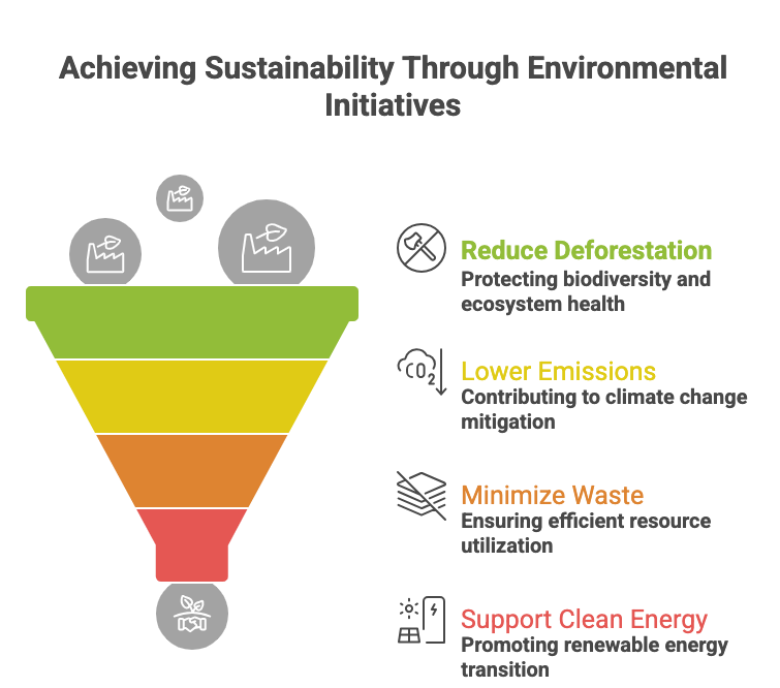
Key environmental benefits:
- Reduces deforestation
- Lowers greenhouse gas emissions
- Minimizes agricultural waste
- Supports clean energy goals
When compared to fossil fuels, coconut-based fuels are a much cleaner and safer option.
Future of Coconut-Based Eco Fuel
The future looks promising for coconut-based fuels. With increasing awareness about climate change, more industries are adopting sustainable practices.
Innovations in technology are making the coconut biomass fuel production process more efficient, while the demand for eco-friendly fuel from coconut shells continues to rise globally. This clearly shows that the transition towards green energy is accelerating.
A Smart Step Towards Sustainable Energy
The journey of coconut waste to wealth for biofuel production proves that small changes can create a big impact. By using natural waste to produce fuel, we are not only protecting the environment but also building a sustainable future for the next generation.
If you are looking for reliable and sustainable fuel solutions, now is the time to make the switch. Choose eco-friendly alternatives and be a part of the green energy movement.
Visit cocobbq.in to explore high-quality coconut-based fuel products designed for both homes and businesses. Make a smart choice today and contribute to a cleaner tomorrow.